28 Jan, 2026
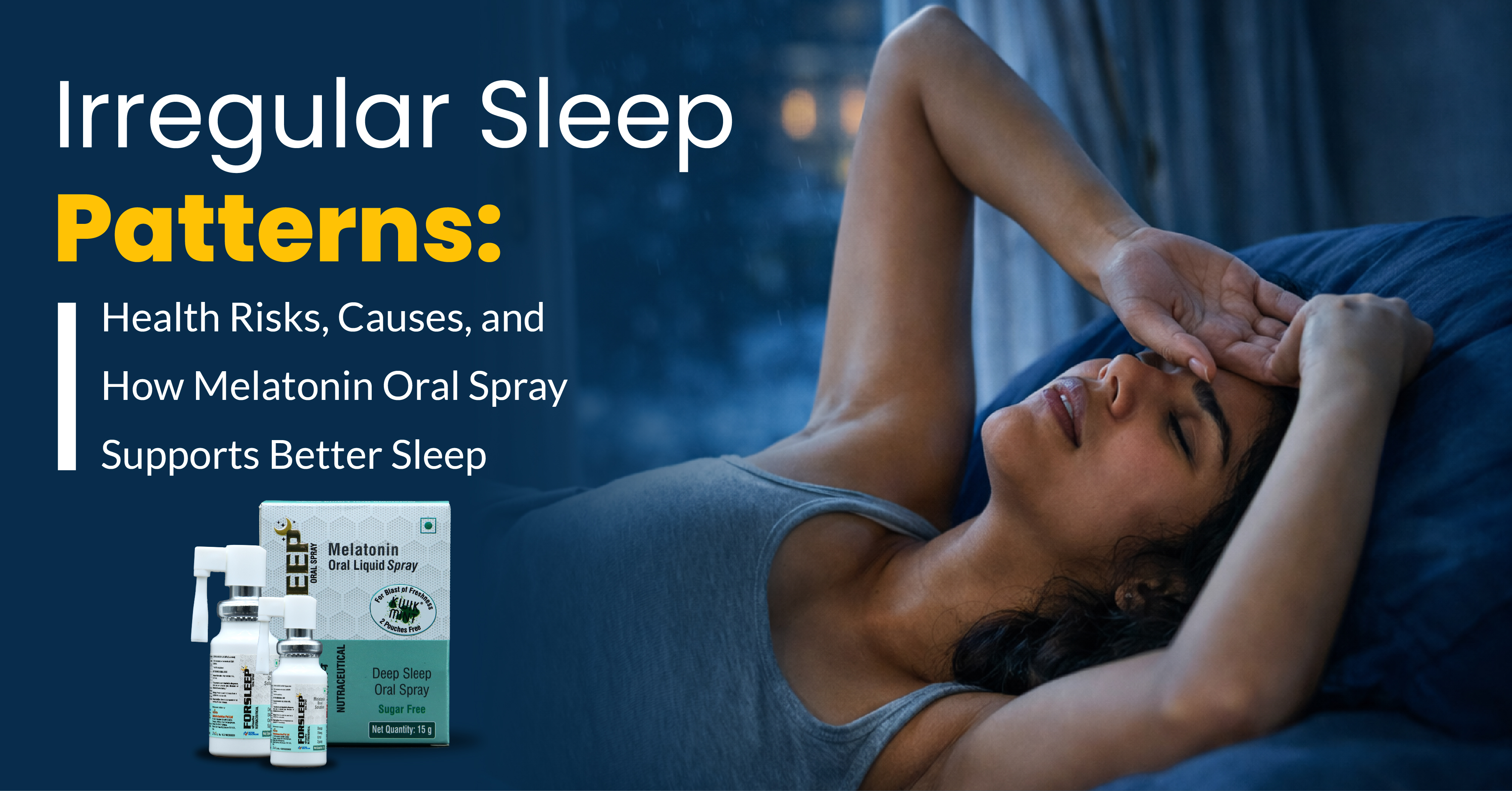
Irregular sleep patterns disrupt the body’s natural sleep-wake cycle and can affect both physical and mental health. Common causes include lifestyle habits, stress, shift work, and excessive screen exposure. Over time, inconsistent sleep timing may increase fatigue, mood issues, and long-term health risks. Melatonin oral spray helps support natural sleep regulation by signaling the body when it is time to rest.
Irregular sleep patterns occur when sleep and wake times change frequently, with no consistent schedule. This includes sleeping late on some days, waking early on others, or shifting bedtime based on work, travel, or screen use. Unlike occasional late nights, chronic inconsistency affects how the body recognizes sleep cues.
The body relies on internal timing signals to regulate sleep. When these signals are repeatedly disrupted, falling asleep and waking up refreshed becomes more difficult. Over time, irregular sleep can reduce overall sleep quality even if total sleep hours seem adequate.
A regular sleep schedule helps the body align with its circadian rhythm, the internal clock that controls sleep, hormone release, digestion, and energy levels. Going to bed and waking up at similar times each day strengthens this rhythm.
When sleep timing is predictable, the body prepares for rest by lowering core temperature and releasing sleep-related hormones. Consistency supports deeper sleep stages, better mental clarity, and improved physical recovery.
Irregular sleep patterns are linked to several short-term and long-term health risks. In the short term, people may experience daytime fatigue, reduced focus, mood changes, and slower reaction times. These effects can impact work performance and daily safety.
Over the long term, inconsistent sleep has been associated with metabolic imbalance, weight changes, cardiovascular strain, and weakened immune response. Disrupted sleep timing may also affect mental well-being, increasing stress sensitivity and emotional instability.
Modern lifestyles are a major contributor to irregular sleep. Shift work, late-night screen exposure, travel across time zones, and social schedules often disrupt consistent bedtime routines. Stress and anxiety can further delay sleep onset or cause frequent awakenings.
Excessive caffeine intake, irregular meal timing, and lack of physical activity also interfere with sleep signals. In some cases, underlying sleep disorders or hormonal changes may contribute to ongoing sleep irregularity.
The circadian rhythm is influenced by light exposure, especially natural daylight. When light exposure is inconsistent, such as late-night screen use or sleeping during the day, the rhythm becomes misaligned.
Circadian rhythm disruption makes it harder for the body to release melatonin at the right time. This can delay sleep onset, reduce sleep depth, and lead to fragmented rest. Over time, the body struggles to recognize when it should feel alert or sleepy.
Melatonin is a naturally occurring hormone that signals the body that it is time to sleep. It is released in response to darkness and helps regulate the sleep-wake cycle. Healthy melatonin production supports timely sleep onset and stable sleep patterns.
Irregular schedules, artificial light exposure, and stress can reduce or delay melatonin release. When melatonin timing is disrupted, falling asleep at a consistent hour becomes more challenging, even when the body feels tired.
Melatonin oral spray offers a fast-absorbing option to support sleep regulation. By delivering melatonin directly through oral absorption, it helps signal the body to prepare for sleep more efficiently than delayed-release formats.
For individuals with irregular sleep patterns, melatonin oral spray may help reset sleep timing and promote consistency. It supports the natural sleep cycle without acting as a sedative, making it useful for managing circadian rhythm imbalance caused by lifestyle factors. Used alongside healthy sleep habits, melatonin oral spray can support improved sleep onset, better sleep continuity, and a more predictable sleep routine over time.
Improving sleep consistency starts with setting a fixed wake-up time, even on weekends. This anchors the circadian rhythm and helps regulate bedtime naturally. Exposure to morning sunlight further strengthens sleep timing.
Reducing screen use before bedtime, limiting caffeine intake after midday, and maintaining regular meal times support healthier sleep signals. Creating a calming pre-sleep routine helps the body recognize when it is time to wind down.
Combining these habits with melatonin support can improve sleep regularity and overall sleep quality.
What causes irregular sleep patterns?
Irregular sleep is commonly caused by inconsistent schedules, stress, shift work, late-night screen exposure, and disrupted circadian rhythms.
Are irregular sleep patterns harmful?
Yes, long-term irregular sleep may increase fatigue, mood issues, and risks to metabolic and cardiovascular health.
How does melatonin help with sleep irregularity?
Melatonin supports the body’s natural sleep timing by signaling when it is time to sleep, helping restore rhythm consistency.
Is melatonin oral spray suitable for lifestyle-related sleep issues?
Melatonin oral spray is often used to support sleep timing disrupted by lifestyle habits, travel, or irregular schedules.
Irregular sleep patterns disrupt the body’s natural rhythm and can affect overall health if left unaddressed. Lifestyle habits, stress, and light exposure are common causes of inconsistent sleep timing. Supporting the sleep-wake cycle through healthy routines and melatonin oral spray can help restore balance, improve sleep quality, and promote more consistent, restorative rest over time.