20 Jan, 2026
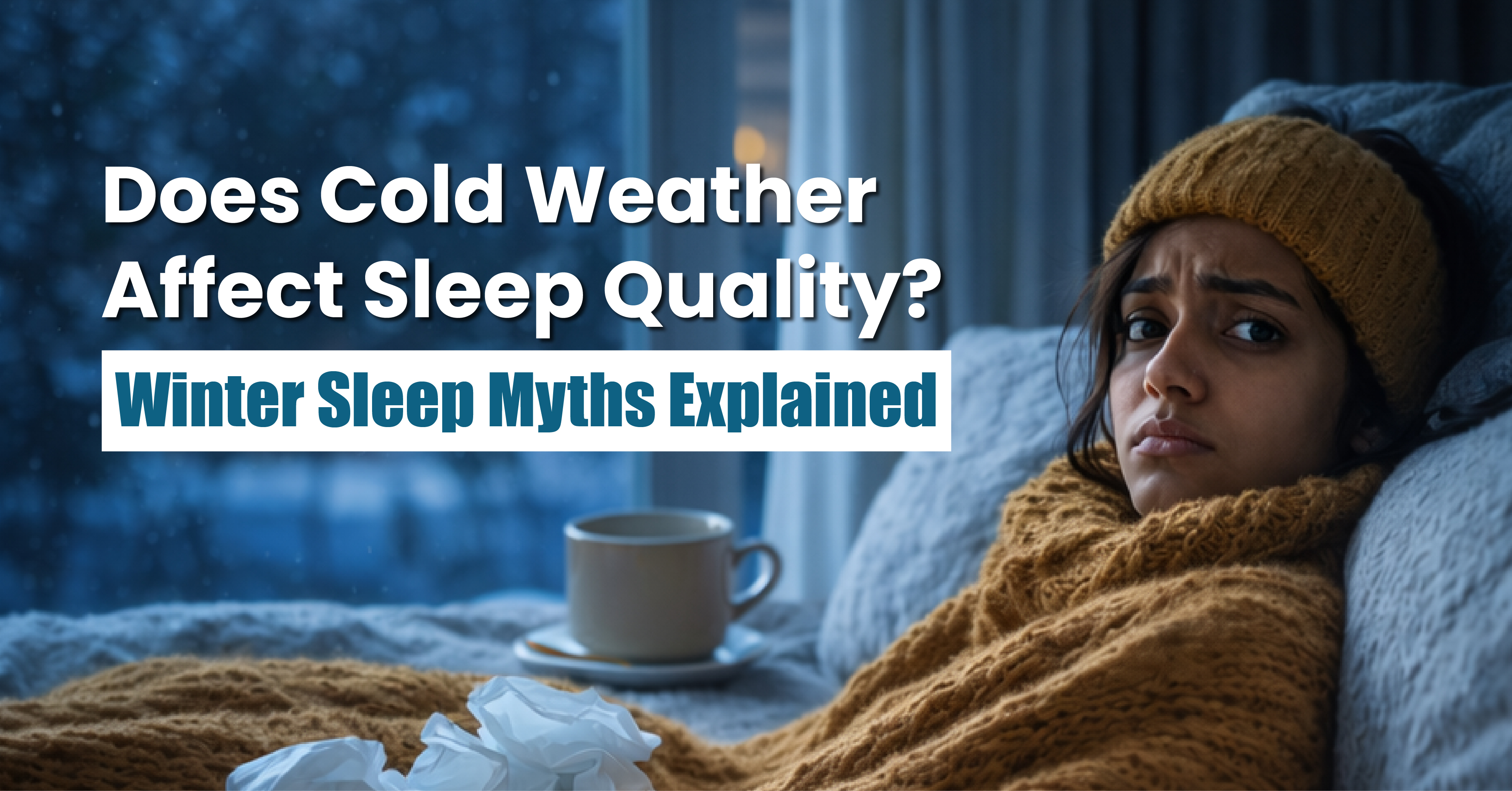
Cold weather can influence sleep quality, but not always in the ways people expect. Changes in temperature, daylight hours, and daily routines during winter can affect how easily we fall asleep and how rested we feel. Many winter sleep problems are linked more to seasonal habits than cold alone. Understanding winter sleep myths helps improve sleep quality in winter and support overall winter sleep health.
Seasonal sleep changes are a natural response to environmental cues, especially light exposure. During winter, shorter days and longer nights can influence circadian rhythms, making people feel sleepy earlier and struggle to wake up in the morning. These changes are part of how the body adapts to seasonal shifts.
Reduced sunlight affects melatonin and serotonin levels, hormones closely linked to sleep and mood. As a result, people may experience changes in sleep duration, timing, and perceived restfulness. Recognizing these natural seasonal sleep changes helps differentiate normal adaptations from winter sleep problems that need attention.
A common question is: does cold affect sleep directly? Cold weather sleep itself is not harmful. In fact, cooler temperatures can support better sleep by helping the body lower its core temperature at night, a key signal for sleep onset.
Problems arise when cold temperatures create discomfort. Poor insulation, uneven heating, or exposure to cold air can interrupt sleep cycles. The impact of cold weather on sleep quality depends largely on how well the sleeping environment is managed rather than the season itself.
Temperature and sleep are closely connected. The body naturally cools down as part of the sleep process. A slightly cool bedroom supports this process and promotes deeper, uninterrupted sleep. Cold temperature sleep is often associated with improved sleep onset and quality.
However, overly cold environments may lead to muscle tension, shivering, or cold hands and feet, all of which disrupt rest. Maintaining a stable, comfortable sleeping temperature is more important than avoiding cold weather altogether.
Many sleep myths winter brings are misleading. One common myth is that winter always causes poor sleep. In reality, winter sleep quality often improves when temperature and routines are well managed.
Another misconception is that sleeping longer automatically solves winter fatigue and sleep issues. Oversleeping can disrupt circadian rhythms and lead to grogginess. Understanding these myths helps people focus on effective habits rather than false assumptions.
Winter sleep problems are often linked to lifestyle changes. Reduced physical activity, increased screen time, irregular schedules, and less daylight exposure all affect sleep quality in winter.
Indoor heating may dry the air, causing nasal congestion or throat discomfort that interferes with sleep. These factors, rather than cold alone, are usually responsible for disrupted winter sleep health.
Winter insomnia is a common concern, especially for those sensitive to seasonal changes. Difficulty falling or staying asleep may result from disrupted routines, stress, or reduced daylight exposure rather than cold temperatures.
Seasonal mood changes can also affect sleep timing and quality. Addressing daily habits and maintaining consistency often helps reduce winter insomnia and restore healthier sleep patterns.
Winter fatigue and sleep are closely linked. Many people feel tired despite sleeping longer during winter. This fatigue is often caused by lower activity levels, limited sunlight, and changes in diet and routine.
Sleep quality in winter may decline if sleep becomes misaligned with natural circadian rhythms. Feeling tired does not always mean more sleep is needed; better-quality, consistent sleep is often the solution.
Improving winter sleep health starts with maintaining a comfortable sleep environment. A cool but not cold bedroom supports natural sleep cycles. Layered bedding allows temperature adjustments throughout the night.
Daily exposure to natural light helps regulate seasonal sleep changes. Staying physically active and maintaining a regular sleep schedule improves sleep quality in winter. Limiting screen use before bedtime and managing caffeine intake also support healthier sleep.
Does cold weather worsen sleep quality?
Cold weather alone does not worsen sleep. A cool environment often supports better sleep, but discomfort from excessive cold can disrupt rest.
Why do I feel more tired in winter?
Winter fatigue and sleep issues are usually linked to reduced daylight, lower activity levels, and disrupted routines.
Can cold temperature sleep cause insomnia?
Cold temperatures do not directly cause insomnia, but poor temperature control may interfere with sleep comfort.
How can I improve sleep quality in winter?
Maintaining a consistent routine, comfortable temperature, daily light exposure, and healthy habits improves winter sleep quality.
Cold weather does affect sleep, but not always negatively. While temperature plays a role, most winter sleep problems stem from seasonal lifestyle changes and reduced daylight exposure. By understanding winter sleep myths and focusing on healthy routines, it is possible to improve sleep quality in winter and maintain strong winter sleep health throughout the colder months.