15 Feb, 2026
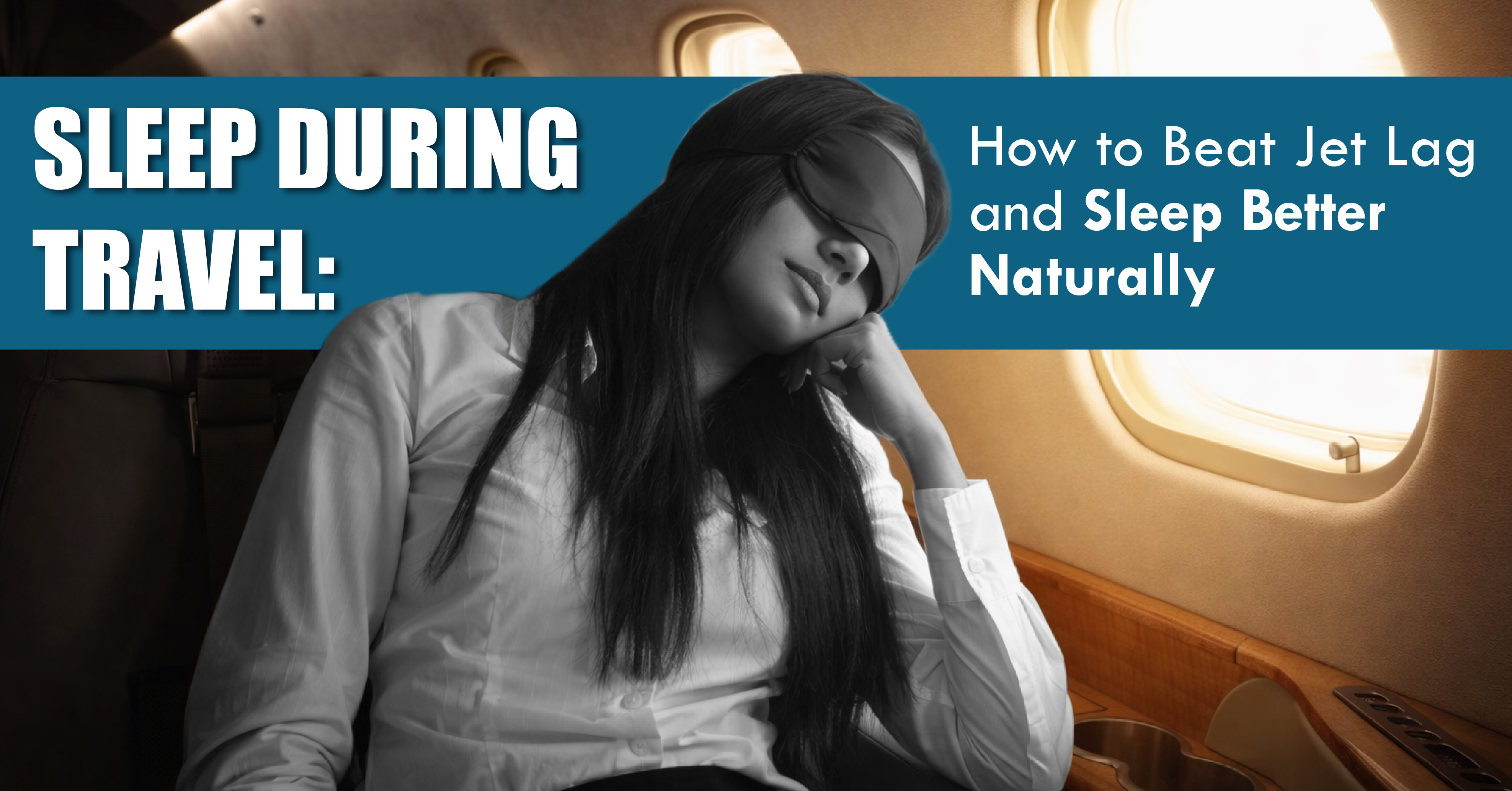
Travel often disrupts sleep due to time zone changes, irregular schedules, and unfamiliar environments. Jet lag occurs when your internal body clock is out of sync with local time, affecting sleep quality, energy, and focus. With the right habits and natural strategies, it’s possible to reset your rhythm faster and sleep better while traveling. This guide explains how to manage jet lag naturally and protect sleep during trips.
Sleep is regulated by your circadian rhythm-an internal clock that responds mainly to light and darkness. When you travel across time zones, especially long distances, this rhythm no longer matches the local day-night cycle. As a result, your body may feel awake at night and sleepy during the day.
In addition to time zone changes, travel introduces several sleep disruptors. Long flights, uncomfortable seating, cabin noise, dehydration, altered meal timings, and stress all interfere with restful sleep. Even short trips can affect sleep quality due to unfamiliar beds and environments. Together, these factors make it harder to fall asleep, stay asleep, and feel refreshed while traveling.
Jet lag is more than just feeling tired. It affects hormone release, digestion, mood, and cognitive performance. Melatonin, the hormone responsible for signaling sleep, may be released at the wrong time after travel. This leads to difficulty falling asleep at night and excessive daytime sleepiness.
Other common jet lag symptoms include headaches, reduced concentration, irritability, digestive discomfort, and low energy. Eastward travel typically causes more severe jet lag because it shortens the day, making it harder for the body to adjust. Understanding these effects helps travelers approach sleep recovery with more realistic expectations and effective strategies.
Many travelers unintentionally make jet lag worse through common habits. Sleeping irregularly before departure, relying on caffeine to stay awake, or consuming alcohol to fall asleep can disrupt natural sleep signals. Long naps during the day may provide temporary relief but delay nighttime sleep.
Excessive screen use during flights or late at night exposes the eyes to blue light, further suppressing melatonin. Skipping meals or eating heavy foods at odd hours can also confuse the body clock. These habits, while convenient during travel, slow the adjustment process and prolong sleep disruption.
Preparing for sleep adjustment before travel can significantly reduce jet lag severity. Gradually shifting your bedtime and wake-up time closer to your destination schedule a few days before departure helps your body adapt more smoothly.
Once you arrive, align your sleep schedule with local time as soon as possible. Even if you feel tired, aim to stay awake until an appropriate bedtime. Short naps of 20-30 minutes may help without interfering with nighttime sleep. Consistency is key-maintaining regular sleep and wake times speeds up circadian rhythm adjustment.
Light exposure is the most powerful tool for resetting your internal clock. Morning sunlight helps signal wakefulness, while dim lighting in the evening supports melatonin release. Spending time outdoors during daylight hours accelerates adaptation to the new time zone.
Meal timing also plays a role in circadian regulation. Eating meals according to local time helps cue the body clock. Light, balanced meals are easier to digest and less likely to interfere with sleep. Gentle movement, such as walking or stretching, improves circulation and promotes alertness during the day while supporting better sleep at night.
A consistent pre-sleep routine is especially important during travel. Simple habits like reading, listening to calming audio, or practicing slow breathing help signal relaxation despite unfamiliar surroundings. Keeping your sleep environment comfortable-using eye masks, earplugs, or neck pillows-can improve rest quality.
Some travelers also explore natural sleep-support practices as part of their routine. Resources from sleep wellness platforms focus on supporting melatonin balance, circadian rhythm alignment, and better sleep hygiene during lifestyle disruptions like travel. These approaches work best when combined with healthy habits rather than used as quick fixes.
How long does jet lag usually last?
Jet lag typically lasts one day per time zone crossed, though individual recovery times vary.
Is it better to sleep on the plane?
Short naps can help, but try to sleep according to your destination’s night schedule if possible.
Does melatonin help with jet lag?
Supporting natural melatonin production through light control and routines is often effective for managing jet lag.
Should I exercise while jet-lagged?
Light activity during the day helps reset the body clock, but intense exercise late at night may delay sleep.
Travel challenges sleep by disrupting your internal clock, daily routines, and environment. Jet lag affects more than rest-it influences mood, energy, and overall well-being. The good news is that natural strategies such as light exposure, consistent schedules, mindful eating, and calming sleep routines can significantly improve sleep during travel. By preparing ahead and supporting your body’s rhythm, you can beat jet lag and enjoy better, more restorative sleep wherever your journey takes you.