05 Feb, 2026
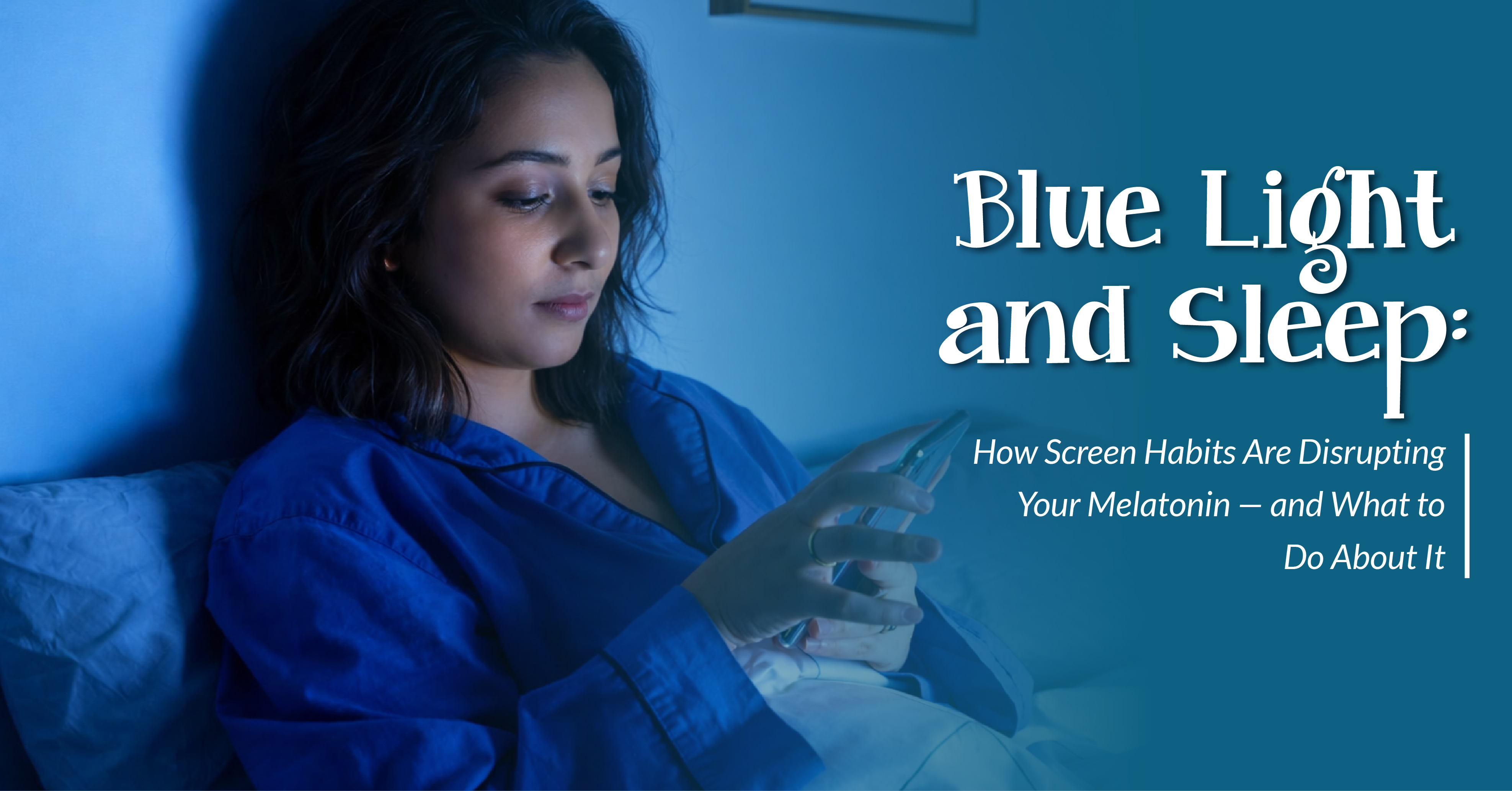
Blue light exposure from screens interferes with melatonin, the hormone responsible for regulating sleep. Evening screen habits can delay sleep onset, reduce sleep quality, and disturb your natural circadian rhythm. Understanding this connection allows you to make practical changes that support healthier sleep. This guide explains how blue light affects melatonin and how to protect your sleep in a screen-driven lifestyle.
Blue light is a high-energy wavelength within the visible light spectrum. During daylight hours, exposure to natural blue light helps regulate alertness, mood, and the body’s internal clock. This exposure supports normal sleep-wake cycles and overall mental performance.
However, artificial blue light from smartphones, laptops, televisions, and LED lighting extends daylight signals into the night. When the brain perceives this light after sunset, it delays the body’s natural preparation for sleep. Even low-intensity screen exposure can confuse the circadian rhythm, making it harder for the body to recognize when it is time to rest.
Melatonin is produced by the brain in response to darkness and signals that the body should begin winding down. As evening approaches, melatonin levels normally rise, preparing the body for sleep.
Exposure to blue light at night suppresses melatonin production. This delay can push sleep onset later, reduce total sleep time, and affect sleep depth. Over time, repeated melatonin disruption may contribute to difficulty falling asleep, frequent awakenings, and next-day fatigue. Maintaining melatonin balance is essential for restorative sleep and long-term health.
Many modern routines unintentionally interfere with sleep. Checking social media in bed, watching shows late at night, replying to messages, or scrolling news feeds all increase blue light exposure during critical evening hours.
Screens also stimulate the brain through fast-moving visuals and emotionally engaging content. This mental stimulation keeps the nervous system active, making relaxation difficult. When these habits become routine, the body may struggle to associate bedtime with rest, leading to ongoing sleep challenges.
Reducing blue light impact starts with timing. Shifting screen use earlier in the evening allows melatonin levels to rise naturally. Limiting screen exposure at least an hour before bedtime can make a noticeable difference.
Device-based solutions such as night mode, blue light filters, and reduced brightness help lower exposure. Blue light blocking glasses can also be effective, especially for those who must use screens after dark. Replacing screens with calming activities-reading, light stretching, or breathing exercises-supports the body’s transition into sleep mode.
A sleep-supportive environment reinforces healthy habits. Using warm, dim lighting in the evening helps signal nighttime to the brain. Keeping electronic devices away from the bed reduces temptation and exposure.
Establishing a consistent bedtime routine trains the body to recognize sleep cues. Some individuals also incorporate natural sleep-support practices as part of their routine. Resources from sleep wellness platforms focus on improving sleep hygiene and supporting melatonin balance when combined with mindful screen habits.
Beyond screens, lifestyle choices influence melatonin production. Caffeine consumption late in the day can interfere with sleep hormones, while irregular sleep schedules disrupt circadian rhythm consistency. Exposure to natural daylight in the morning helps reinforce healthy melatonin cycles at night.
Regular physical activity also supports better sleep, but intense workouts too close to bedtime may delay relaxation. Eating heavy meals late at night can affect digestion and sleep quality. Aligning daily habits with natural light-dark cycles strengthens melatonin regulation and improves overall sleep health.
How long before bedtime should screens be avoided?
Ideally, reduce screen exposure 60-90 minutes before sleep to allow melatonin levels to rise naturally.
Do blue light filters help improve sleep?
Yes, they reduce blue wavelength exposure and can lessen melatonin suppression when used consistently.
Is blue light exposure harmful during the day?
No. Daytime blue light supports alertness and circadian rhythm alignment.
What if nighttime screen use is unavoidable?
Use blue light filters, lower brightness, avoid stimulating content, and keep usage as brief as possible.
Blue light has a significant impact on sleep by suppressing melatonin and disrupting the body’s natural rhythm. Evening screen habits can delay sleep onset and reduce sleep quality, but these effects are manageable. Simple changes-adjusting screen timing, optimizing device settings, improving the sleep environment, and supporting healthy daily routines-can restore balance. By managing blue light exposure thoughtfully, you can protect your melatonin levels and enjoy more consistent, restorative sleep.